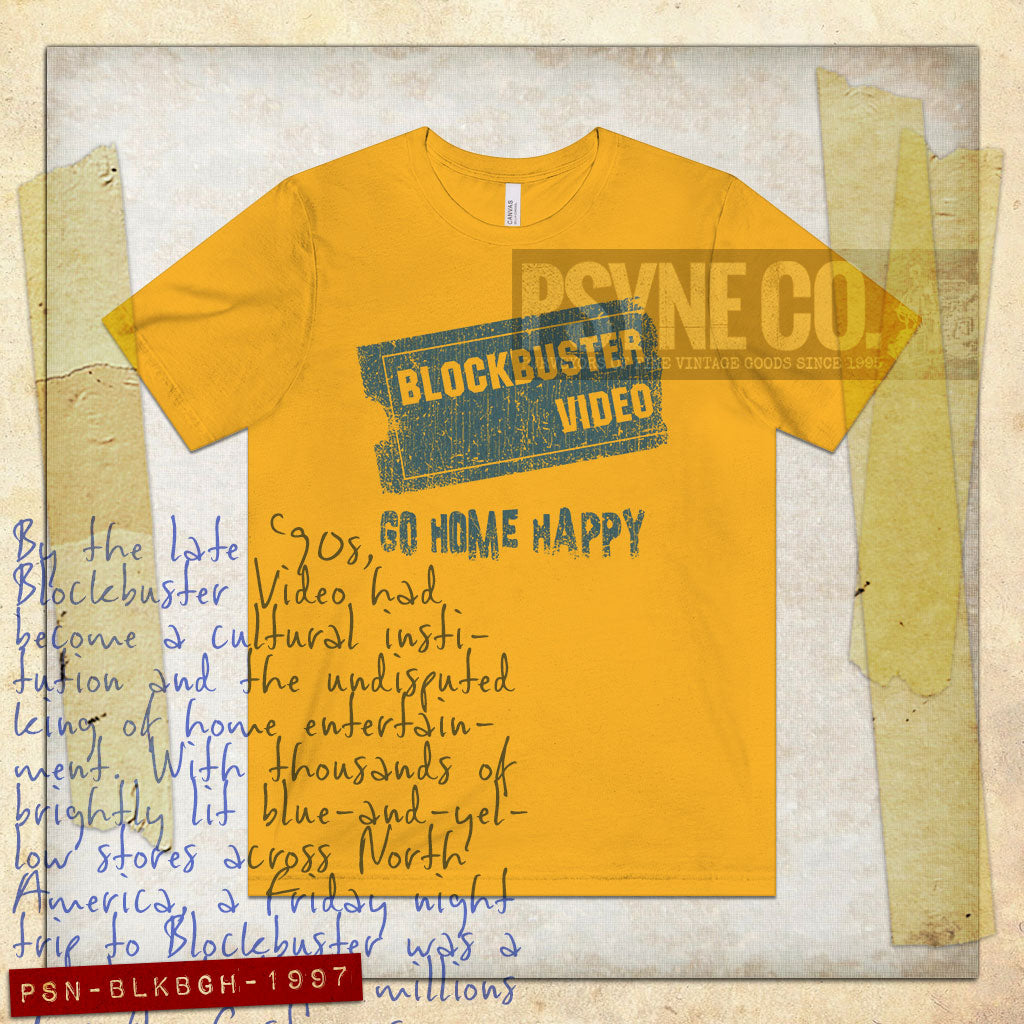
For a time, Blockbuster Video was one of the most recognizable retail brands in America. Founded in 1985 by David Cook, the company revolutionized the home video rental business by offering brightly lit stores, a massive selection of movies, and a standardized customer experience that helped it grow into a nationwide phenomenon. By the late 1990s, Blockbuster operated thousands of locations around the world and had become the dominant force in video rentals. For many families, a Friday night trip to Blockbuster was a weekly ritual.
Despite its success, Blockbuster struggled to adapt as technology and consumer habits changed. The company’s business model relied heavily on late fees, which generated hundreds of millions of dollars annually but frustrated customers. Meanwhile, new competitors emerged with more convenient alternatives. Netflix launched a mail-order DVD subscription service in 1998, allowing customers to rent movies without leaving home and eliminating late fees entirely. Later, Redbox introduced inexpensive DVD rental kiosks that further eroded Blockbuster’s customer base.
Perhaps the company’s greatest mistake was underestimating the importance of online distribution. In 2000, Netflix co-founder Reed Hastings reportedly offered to sell Netflix to Blockbuster for $50 million, but the proposal was rejected. As broadband internet expanded, streaming video became increasingly viable, and Netflix successfully transformed itself into a digital entertainment company. Blockbuster, burdened by debt, thousands of physical stores, and slow corporate decision-making, struggled to keep pace.
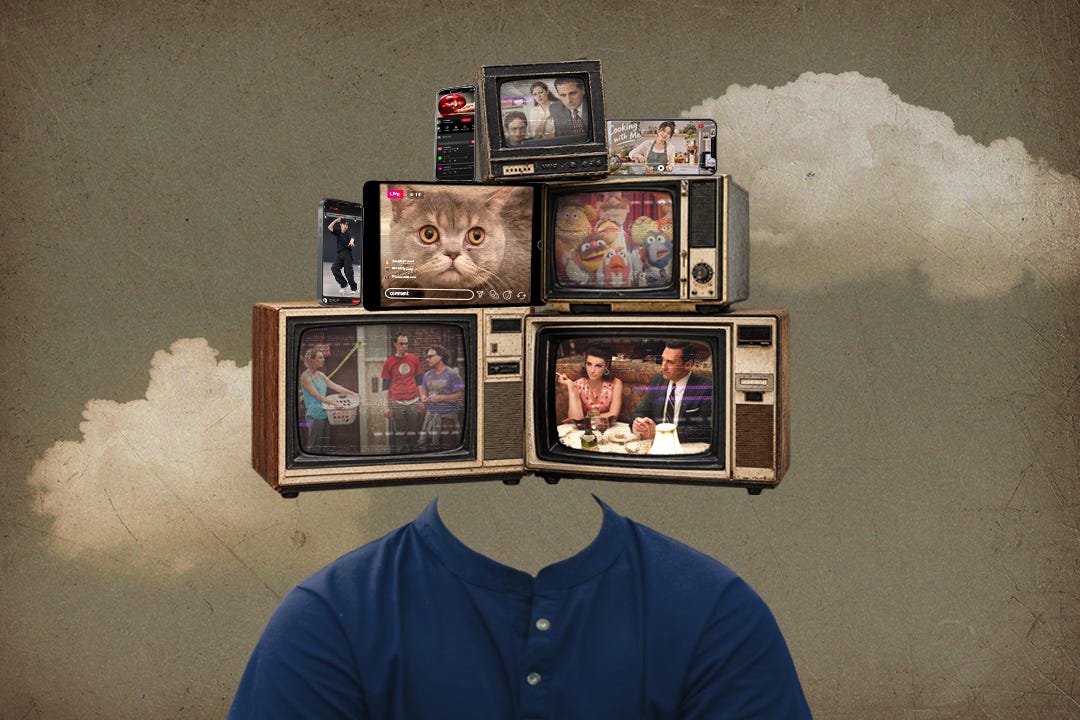
By the late 2000s, the company was closing stores and losing market share at an alarming rate. Blockbuster filed for bankruptcy protection in 2010, marking the end of an era. While a handful of franchise locations survived briefly, nearly all were eventually shuttered. Today, the company’s collapse is often cited as one of the most famous examples of a market leader failing to adapt to disruptive technological change. The once-mighty chain that defined movie night became a cautionary tale about innovation, complacency, and the importance of seeing the future before it arrives.