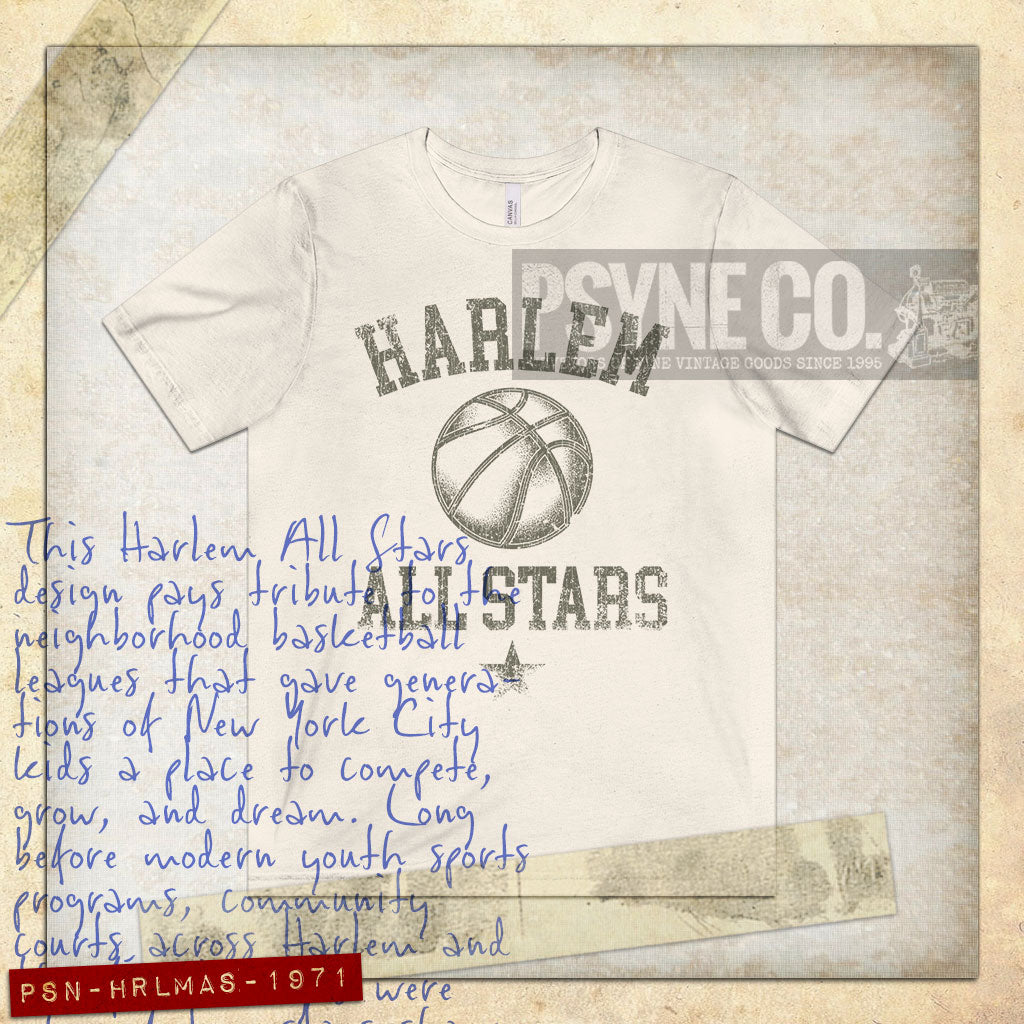
The Harlem of the 1970s was a neighborhood defined by sharp contrasts. It faced some of the most difficult economic and social challenges in its history, yet at the same time remained one of the most influential cultural centers in America. While abandoned buildings, rising crime, and poverty often dominated headlines, Harlem’s streets were also alive with music, art, activism, and community pride. It was a decade of struggle, resilience, and creativity that helped shape modern American culture.
By the start of the decade, Harlem was still feeling the effects of decades of disinvestment. Manufacturing jobs had disappeared, many middle-class families had moved to the suburbs, and landlords frequently neglected their buildings. Entire blocks became scarred by vacant lots after fires—some accidental, others the result of insurance fraud or abandonment. New York City’s fiscal crisis in 1975 only made matters worse, leading to cuts in sanitation, schools, and public services that disproportionately affected neighborhoods like Harlem.
 Crime increased throughout the decade, fueled by unemployment, heroin addiction, and economic hardship. Residents often found themselves organizing neighborhood patrols and community organizations to provide services that the city no longer could. Despite these challenges, Harlem remained a close-knit community where churches, local businesses, and civic leaders worked tirelessly to support their neighbors.
Music continued to be Harlem’s heartbeat. Legendary venues such as the Apollo Theater remained cultural landmarks, showcasing rising stars in soul, R&B, funk, and gospel. Artists including James Brown, Aretha Franklin, Stevie Wonder, and countless others performed before enthusiastic Harlem audiences. Jazz clubs still carried on the neighborhood’s rich musical legacy established decades earlier, while block parties and park jams introduced younger generations to new sounds that would eventually evolve into hip-hop.
Harlem also played a major role in the Black Arts Movement. Poets, painters, playwrights, and photographers celebrated Black identity and history while addressing issues of race, inequality, and urban life. Local bookstores, theaters, and community centers became gathering places where artists and activists exchanged ideas and inspired one another.
Politics remained central to Harlem’s identity. The neighborhood had long been a center of African American activism, and the 1970s saw continued efforts to improve housing, education, healthcare, and economic opportunity. Community organizations established food programs, youth centers, and educational initiatives while fighting for greater local control and investment.
 Fashion reflected Harlem’s vibrant personality. Tailored suits, wide-brim hats, leather jackets, colorful dashikis, platform shoes, and custom-made clothing filled the sidewalks. Harlem’s distinctive sense of style blended traditional elegance with the bold fashions of the decade, influencing trends far beyond New York City.
The decade also saw signs of hope. Community development groups began rehabilitating abandoned buildings, neighborhood businesses slowly reopened, and residents fought to preserve Harlem’s historic character. Though widespread revitalization would not begin until the following decades, many of the grassroots efforts that transformed modern Harlem had their roots in the 1970s.
Today, the Harlem of the 1970s is remembered not simply for its hardships, but for the extraordinary resilience of its people. Even during one of the city’s darkest periods, Harlem remained a center of artistic innovation, cultural pride, and community strength. Its musicians, writers, activists, entrepreneurs, and everyday residents demonstrated that while buildings may crumble and economies may falter, the spirit of a neighborhood can endure and continue to inspire generations to come.