

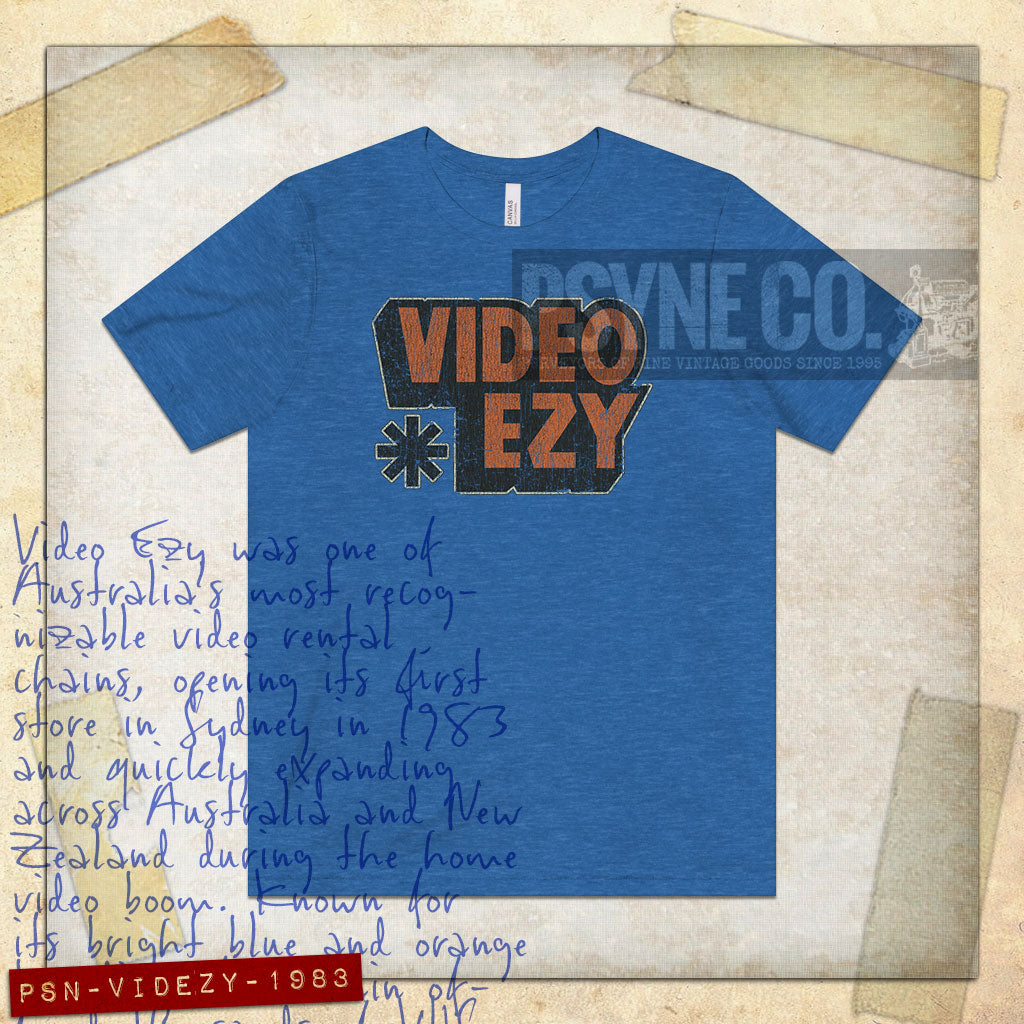
For more than two decades, Video Ezy was one of Australia’s most recognizable entertainment brands, serving as the country’s answer to Blockbuster. During the peak of the home video era, its bright blue storefronts and orange-and-white logo became familiar sights in shopping centers across Australia and New Zealand, where families, movie buffs, and gamers gathered every weekend to browse the latest releases.
Video Ezy was founded in Sydney in 1983 by entrepreneur Gary Stokes, opening its first store just as VHS was transforming home entertainment. The business embraced franchising early, allowing it to expand rapidly throughout Australia before spreading into New Zealand and several international markets. By the 1990s, Video Ezy had grown into one of the largest video rental chains in the Southern Hemisphere, operating hundreds of stores and becoming a fixture of suburban life.
Like most video rental stores of the era, Video Ezy offered walls of VHS tapes arranged by genre, with dedicated sections for new releases, children’s movies, action, comedy, horror, documentaries, and cult classics. As technology evolved, the company successfully transitioned from VHS to DVD and later Blu-ray, while also expanding into video game rentals for popular consoles. Many locations stocked movie-themed merchandise, snacks, soft drinks, and popcorn, making a trip to Video Ezy part of the Friday night ritual for countless families.
The chain became known for its memorable promotions, including discounted rental nights, loyalty programs, and weekly specials. Bright fluorescent lighting, rows of colorful movie boxes, and oversized posters advertising upcoming releases created an atmosphere that became synonymous with the excitement of discovering a new favorite film. Before online reviews and streaming recommendations, browsing the shelves and reading the backs of VHS or DVD cases was part of the entertainment experience itself.
During the late 1990s and early 2000s, Video Ezy reached its peak with more than 500 stores across Australia and New Zealand. It remained a formidable competitor to Blockbuster Video, often differentiating itself through locally owned franchise stores and strong customer service. However, the rise of high-speed internet, digital downloads, video-on-demand services, and subscription streaming platforms fundamentally changed the way people watched movies. As consumers shifted away from physical media, rental traffic declined steadily.
In an effort to adapt, Video Ezy introduced DVD vending kiosks, digital initiatives, and expanded retail offerings, but these measures could not overcome the industry’s rapid transformation. Throughout the 2010s, franchise locations closed one by one as streaming services became the dominant form of home entertainment.
Although the vast majority of Video Ezy stores have disappeared, the brand continues to evoke strong nostalgia for the era of video rentals. For many Australians and New Zealanders, a visit to Video Ezy meant wandering the aisles in search of the perfect movie, hoping the newest release hadn’t already been rented, and taking home a stack of films for the weekend. Today, the chain stands as a reminder of a uniquely social period in home entertainment, when choosing a movie was an event in itself rather than something decided with the click of a remote.


