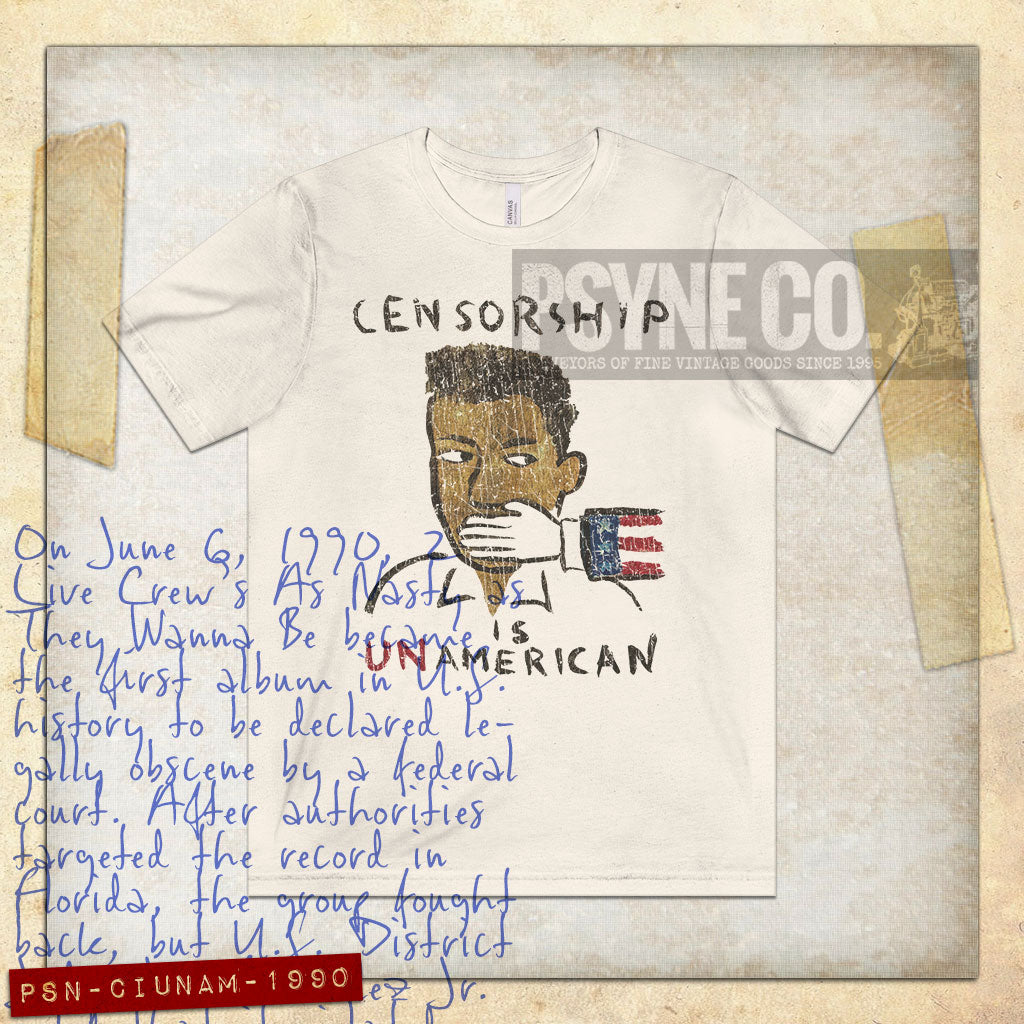
In the mid-1980s, few issues divided musicians, politicians, parents, and free speech advocates more than explicit lyrics in popular music. At the center of the controversy was the Parents Music Resource Center (PMRC), an organization founded in 1985 by a group of politically connected Washington, D.C., mothers who believed violent, sexual, and drug-related themes in rock and heavy metal records were becoming increasingly accessible to children. Their campaign ultimately led to one of the most recognizable symbols in music history: the “Parental Advisory: Explicit Lyrics” label.
The Birth of the PMRC
The PMRC was formed in May 1985 by Tipper Gore, wife of then-Senator Al Gore, along with Susan Baker (wife of Treasury Secretary James Baker), Pam Howar, and Sally Nevius. The group’s creation was reportedly inspired after Tipper Gore purchased Prince’s Purple Rain album for her eleven-year-old daughter and was surprised by the sexually explicit lyrics of “Darling Nikki.”
Rather than calling for outright government censorship, the PMRC publicly advocated for greater parental awareness. The organization proposed that record companies voluntarily place warning labels on albums containing explicit material, print lyrics on album sleeves, and restrict the sale or marketing of certain recordings to minors. Many musicians, however, viewed the campaign as censorship disguised as consumer protection.

The “Filthy Fifteen”
To draw attention to its concerns, the PMRC compiled a list of fifteen songs in popular music, at the time, that they found the most objectionable. This list is known as the “Filthy Fifteen” and consists of the following songs along with the lyrical content category for which each song was considered objectionable:
- Prince: “Darling Nikki”
- Sheena Easton: “Sugar Walls”
- Judas Priest: “Eat Me Alive”
- Vanity: “Strap On ‘Robbie Baby'”
- Mötley Crüe: “Bastard”
- AC/DC: “Let Me Put My Love Into You”
- Twisted Sister: “We’re Not Gonna Take It”
- Madonna: “Dress You Up”
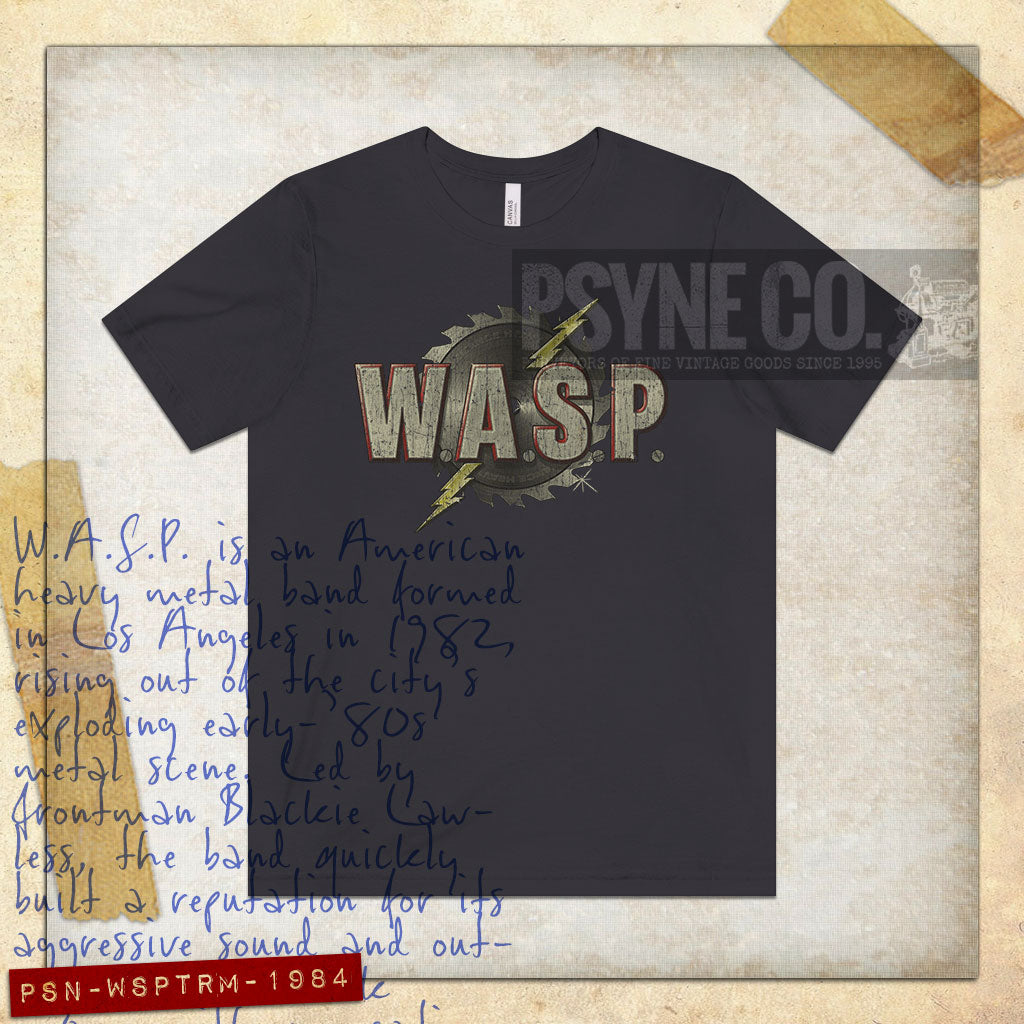
- W.A.S.P.: “Animal (Fuck Like a Beast)”
- Def Leppard: “High ‘n’ Dry (Saturday Night)”
- Mercyful Fate: “Into the Coven”
- Black Sabbath: “Trashed”
- Mary Jane Girls: “In My House”
- Venom: “Possessed”
- Cyndi Lauper: “She Bop”
Now, Tipper Gore’s definition of ‘popular music’ may differ from the rest of us, but I don’t recall Mercyful Fate and Venom ever being on any pop music lists of any kind. Of course, the real irony of crap like this is that inclusion on the list only boosted record sales, introducing many young listeners to artists they might never have otherwise discovered.

The 1985 Senate Hearings
On September 19, 1985, the controversy reached Capitol Hill during hearings before the Senate Commerce Committee. Although the hearings carried no legislative authority, they became one of the defining moments in the debate over artistic freedom. Among the musicians testifying against the PMRC were Frank Zappa, Dee Snider, and John Denver
The lineup surprised many observers. While Zappa was an outspoken critic of censorship and Snider represented the heavy metal scene targeted by the PMRC, folk singer John Denver—known for wholesome hits like “Take Me Home, Country Roads”—also opposed warning labels. Denver argued that once censorship mechanisms existed, they could easily be expanded to silence unpopular viewpoints.
Frank Zappa called the PMRC’s proposal “an ill-conceived piece of nonsense,” comparing warning labels to a form of cultural censorship. Dee Snider dismantled the PMRC’s interpretation of Twisted Sister’s lyrics, explaining that many of the meanings attributed to his songs simply did not exist. John Denver reminded lawmakers that his own song “Rocky Mountain High” had previously been misunderstood as promoting drug use, illustrating how subjective lyrical interpretation could be.
The Recording Industry Responds
Facing mounting public pressure, the Recording Industry Association of America (RIAA) negotiated a compromise with the PMRC. Rather than adopting a formal ratings system similar to movies, record companies agreed to place warning stickers on albums they believed contained explicit content.
The first versions simply read “Parental Guidance: Explicit Lyrics.” Over time, the design evolved into the now-familiar black-and-white “Parental Advisory: Explicit Content” logo that became standardized during the 1990s.
Unlike government regulation, the labeling program remained voluntary, with individual record labels determining whether an album warranted the sticker.

An Unexpected Badge of Honor
What the PMRC hoped would discourage young listeners often had the opposite effect. The warning label quickly became a symbol of authenticity, rebellion, and artistic credibility. Teenagers actively sought albums carrying the advisory sticker, and many artists embraced it as part of their image.
Hip-hop, in particular, adopted the label as a cultural icon. Albums by N.W.A., Ice-T, Public Enemy, 2 Live Crew, Dr. Dre, Eminem, and countless others prominently displayed the advisory logo, which became almost synonymous with the genre during the 1990s.
Retailers reacted differently. Some chains, including Walmart and Kmart, refused to stock albums bearing the label, encouraging artists and labels to release edited “clean” versions for mainstream distribution.
Lasting Legacy
The PMRC dissolved in the 1990s, but its influence remains visible decades later. The Parental Advisory label is still used on physical albums and has been adapted for digital music services and streaming platforms to identify explicit recordings.
Perhaps the greatest irony of the PMRC campaign is that an effort intended to discourage young people from buying certain music ended up creating one of the most recognizable marketing symbols in popular culture. The black-and-white advisory label became more than a parental warning—it became an emblem of artistic freedom, controversy, and musical rebellion, representing an era when the battle over free expression played out not in courtrooms, but on record store shelves.