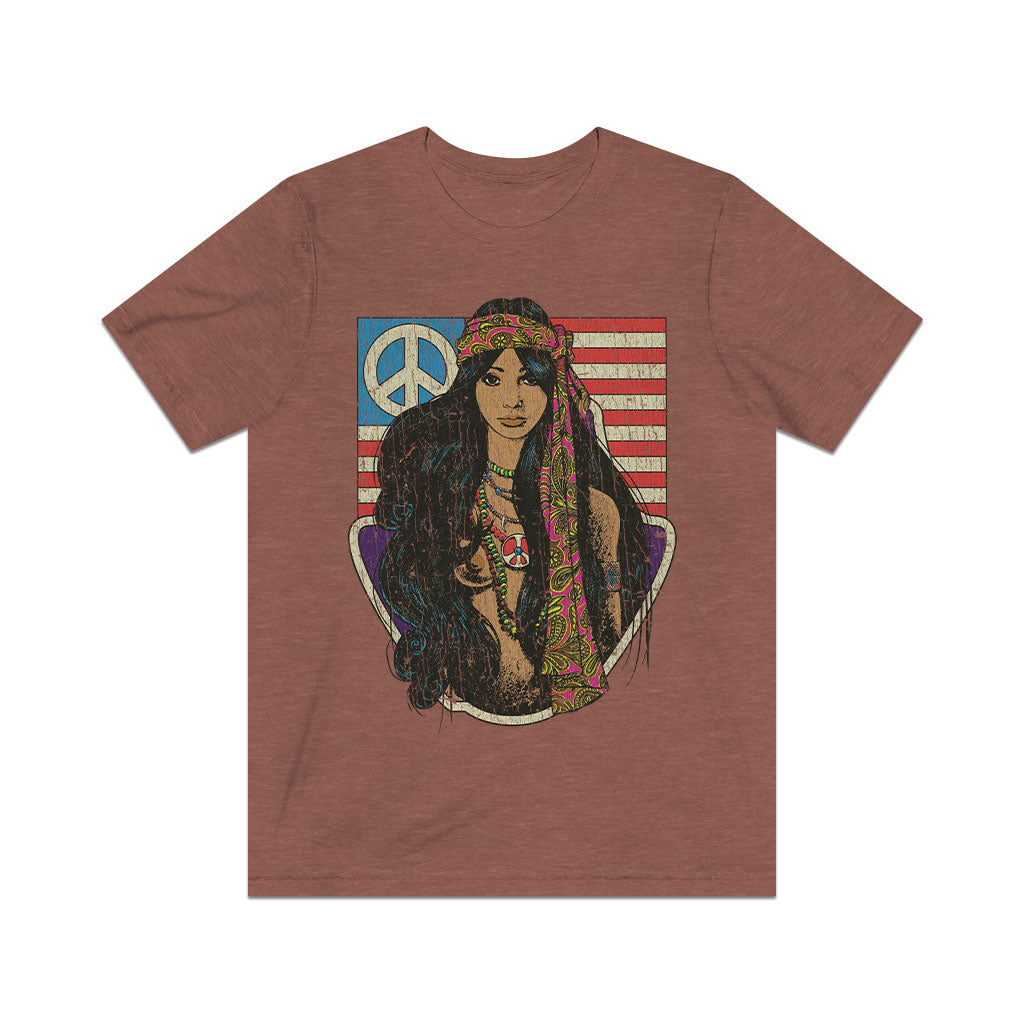
Few events have achieved the legendary status of the Woodstock Music & Art Fair, and seeing how it kicked off 57 years ago today, let’s revisit the three days that changed music forever.
Held from August 15–18, 1969, on Max Yasgur’s 600-acre dairy farm near Bethel, New York, Woodstock became far more than a rock concert. It evolved into the defining symbol of the counterculture movement, celebrating peace, music, and community during one of the most turbulent periods in American history.
Originally envisioned as a modest music festival for around 50,000 people, organizers Michael Lang, Artie Kornfeld, Joel Rosenman, and John Roberts quickly found themselves overwhelmed. Interest exploded after tickets went on sale, and by the time the gates opened, more than 400,000 people had descended upon the rural site. With fences rendered useless and roads clogged for miles, the festival became a free event almost by necessity.
The timing couldn’t have been more significant. America was deeply divided by the Vietnam War, civil rights struggles, political unrest, and generational conflict. Woodstock offered an alternative vision—one where hundreds of thousands of young people gathered not to protest, but to celebrate music, creativity, and a shared hope for a more peaceful future.

The lineup remains one of the greatest ever assembled. Richie Havens opened the festival with an impromptu, extended set that included the unforgettable “Freedom.” Santana became a breakout star after his electrifying performance of “Soul Sacrifice,” while artists including Janis Joplin, Creedence Clearwater Revival, The Who, Joe Cocker, Crosby, Stills, Nash & Young, Sly and the Family Stone, Jefferson Airplane, and Ten Years After delivered career-defining performances. The festival concluded on Monday morning with Jimi Hendrix’s iconic rendition of “The Star-Spangled Banner,” a distorted, emotionally charged interpretation that has become one of the most famous moments in rock history.
Despite torrential rain, ankle-deep mud, food shortages, and limited sanitation facilities, the event remained remarkably peaceful. While there were medical emergencies, two documented deaths, and countless logistical challenges, the widespread violence many had feared never materialized. Volunteers, local residents, and organizations pitched in to provide food, medical care, and support, reinforcing Woodstock’s reputation as a demonstration of cooperation under extraordinary circumstances.

Financially, Woodstock was initially a disaster. The organizers lost millions of dollars due to the unexpected crowd size and infrastructure costs. However, the release of the 1970 documentary *Woodstock* and its accompanying triple live album transformed the festival into a cultural phenomenon, eventually making the event profitable while immortalizing its performances for future generations.
Woodstock’s influence reached far beyond music. It became shorthand for the ideals of the 1960s counterculture—peace, love, artistic freedom, and social change. While later festivals have attracted larger crowds or featured bigger production values, none have matched Woodstock’s unique combination of historic timing, legendary performances, and cultural significance.
More than half a century later, Woodstock remains one of the most celebrated live music events ever held. It stands as a reminder that, for one remarkable weekend in the summer of 1969, hundreds of thousands of strangers gathered on a New York farm and created an enduring symbol of optimism, unity, and the transformative power of music.