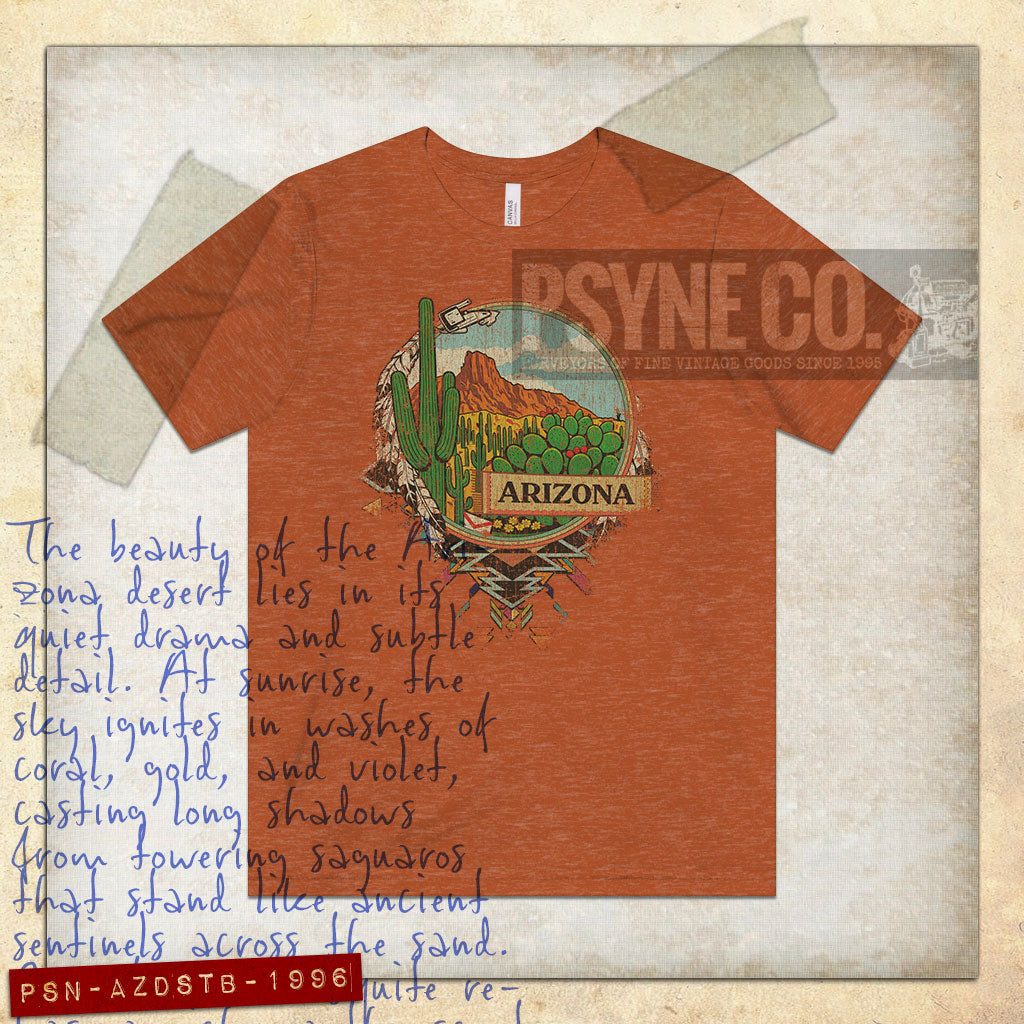
In the 1970s, Sedona, Arizona, was still a relatively small desert community surrounded by the towering red-rock formations that would eventually make it internationally famous. Artists, writers, hippies, spiritual seekers, and back-to-the-land types were increasingly drawn to the area, mixing with longtime ranchers, shopkeepers, and families who remembered when Sedona was little more than an isolated settlement. Tourism was growing, but the town retained a decidedly offbeat character—dusty roads, roadside motels, trading posts, art galleries, Jeeps bouncing into the backcountry, and spectacular stretches of undeveloped desert. By the end of the decade, Sedona’s combination of Western ruggedness, counterculture mysticism, and extraordinary scenery was beginning to transform it from a quiet Arizona hideaway into a destination all its own.