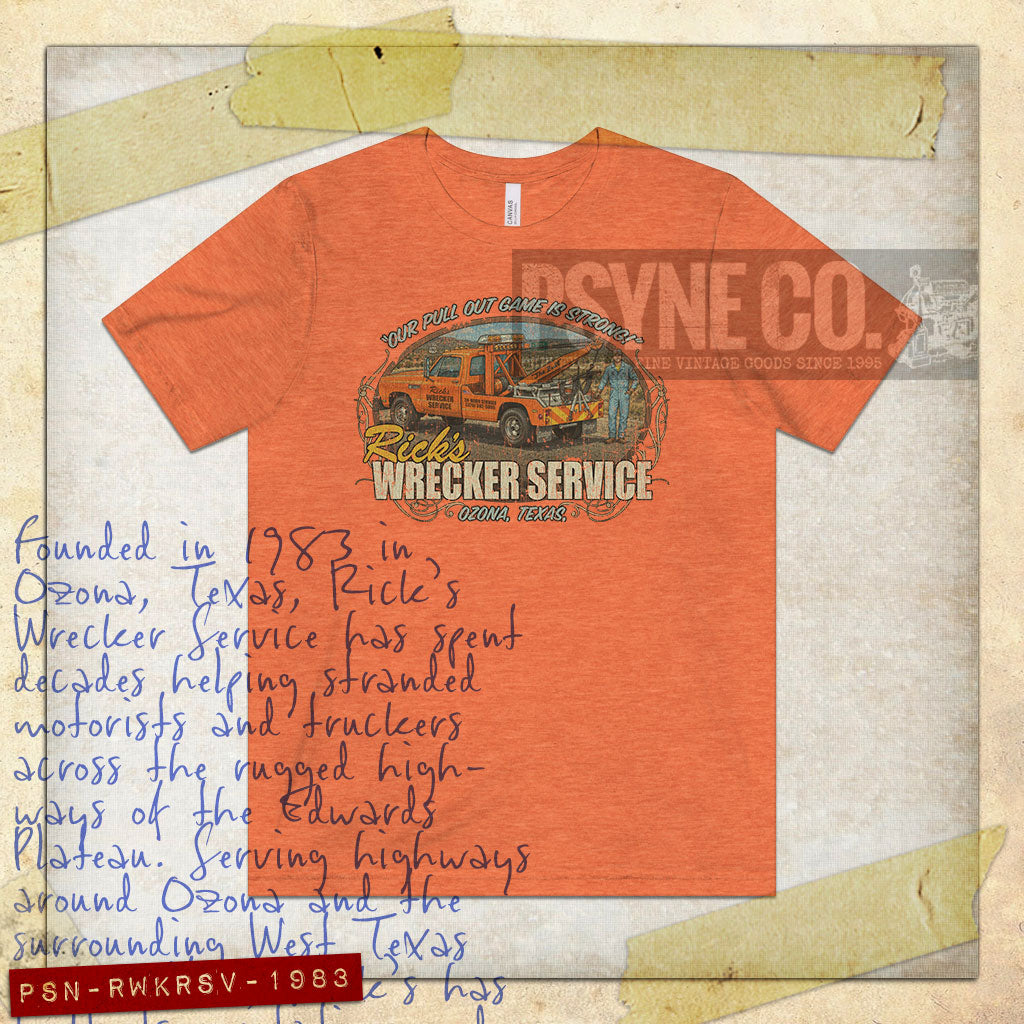
Sitting amid the rugged limestone hills and wide-open ranch country of West Texas, Ozona is a small community with a character considerably larger than its population. The seat of Crockett County, Ozona lies on the Edwards Plateau, roughly halfway between San Antonio and the Permian Basin along Interstate 10. Known locally as the “Biggest Little Town in the World,” it has long served as an important stopping point for ranchers, travelers, truckers, and anyone making the long haul across this sparsely populated corner of Texas.
Ozona’s story is closely tied to the development of Crockett County in the late 19th century. The community was established in 1891 as the county seat and was originally known as Powell Well. It was soon renamed Ozona, reportedly for the clean, open air of the surrounding country. Ranching became the foundation of the local economy, particularly sheep, goats, and cattle. Wool and mohair production eventually became especially important to the region, and generations of ranching families helped shape the independent West Texas identity that remains evident around town.
Transportation has also played an important role in Ozona’s development. Long before Interstate 10 carried a steady stream of cars and tractor-trailers through the area, highways connected the town with other scattered communities across Southwest and West Texas. Today, I-10 makes Ozona a natural stopping point between larger cities, with fuel stations, restaurants, motels, repair shops, towing services, and other businesses catering to highway travelers. Outside town, however, the landscape quickly returns to miles of ranchland, rocky hills, mesquite, cedar, cactus, and seemingly endless Texas sky.

Despite its small size, Ozona retains many reminders of its frontier and ranching heritage. The Crockett County Courthouse anchors the historic town square, while the Crockett County Museum preserves artifacts and stories from the area’s early settlers, ranchers, military history, and local families. The town is also closely associated with Davy Crockett, the legendary frontiersman and Alamo defender for whom Crockett County was named, although Crockett himself had no direct connection with the community that would later become Ozona.
The surrounding countryside is just as much a part of Ozona’s identity as the town itself. The Edwards Plateau creates a landscape of rolling limestone hills, rocky canyons, dry creek beds, grasslands, and thick patches of juniper and mesquite. Ranch gates and windmills punctuate long stretches of highway, while whitetail deer, turkey, javelina, and other wildlife are common throughout the region. Hunting, ranching, and outdoor recreation remain deeply woven into local life.
Ozona is ultimately the kind of place that exists because of the enormous distances of West Texas. It is a courthouse town, ranching center, highway stop, and close-knit community all at once. For someone speeding west on I-10, it might appear to be little more than a convenient place to fill the tank and grab something to eat. Spend a little more time there, however, and Ozona reveals a distinctly Texas history built around livestock, highways, hard country, and the people who learned to make a home in the vast landscape of the Edwards Plateau.