Colorado has long been cattle country, with a ranching tradition stretching back to the 1800s and a reputation for producing some of America’s finest beef. From the sprawling grasslands of the Eastern Plains to the lush mountain valleys of the Rockies, Colorado ranchers raise cattle in landscapes that seem made for the job. Known for its premium quality, rich flavor, and strong ranch-to-table heritage, Colorado beef is prized by restaurants, steakhouses, and home cooks alike. Many cattle begin their lives grazing on open pastures, where generations of ranching families have built their livelihoods around raising healthy livestock and maintaining the land. Whether it’s a thick, juicy ribeye or a perfectly grilled burger, Colorado beef carries a little taste of the American West.
But beef is more than just a Colorado tradition; it’s big business. Cattle and calves are the state’s number-one agricultural commodity, generating approximately $5.3 billion in cash receipts in 2024 alone. With millions of cattle raised, fed, and marketed across the state, the beef industry supports thousands of ranching families, feedlots, meatpacking operations, and businesses throughout Colorado’s rural communities. While the industry has evolved considerably since the days of open-range cattle drives and dusty frontier stockyards, the cowboy spirit remains very much alive. For Colorado, beef isn’t just what’s for dinner; it’s a way of life, an economic powerhouse, and a proud part of the state’s Western heritage.
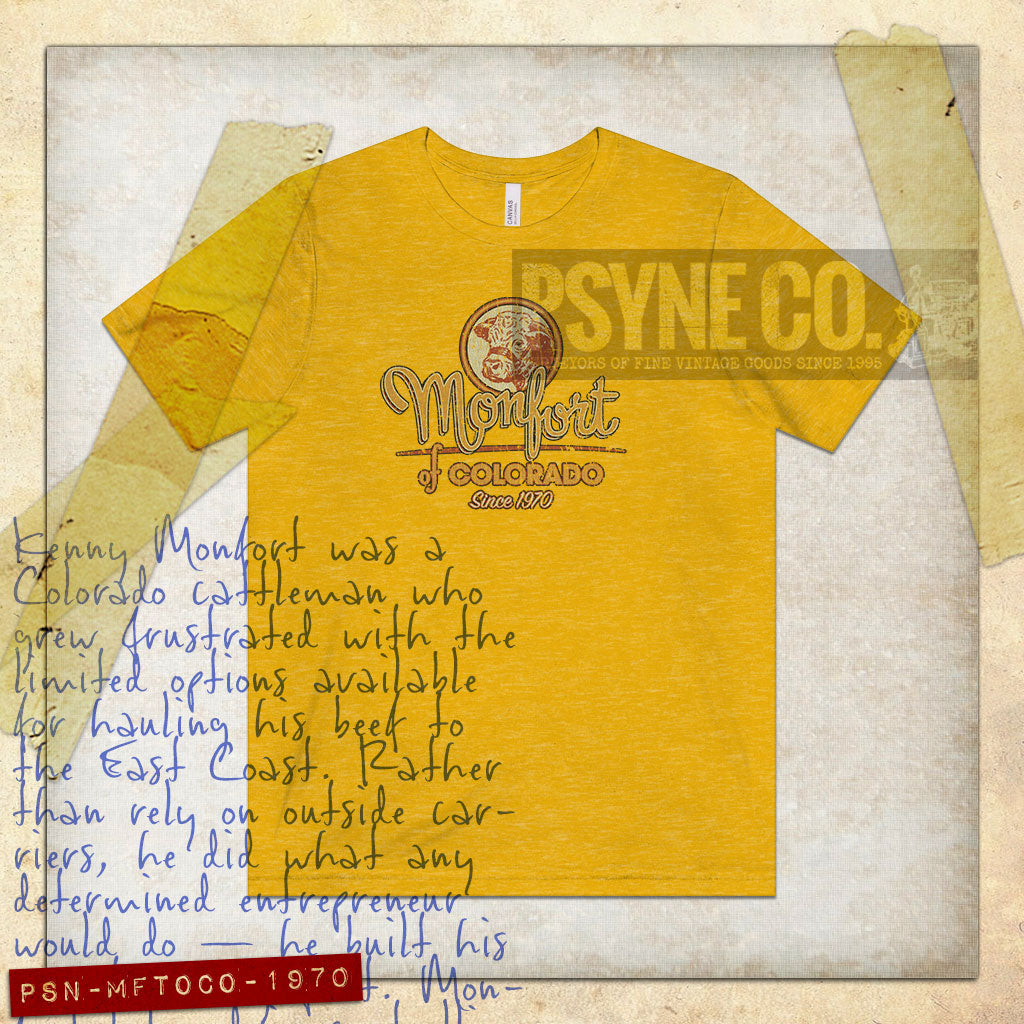
Here we have a unit from the legendary Monfort of Colorado fleet, operated by Kenny Monfort, a Colorado cattleman who built his own trucking fleet to get his beef from gate to plate in record time- something you can read more about here >