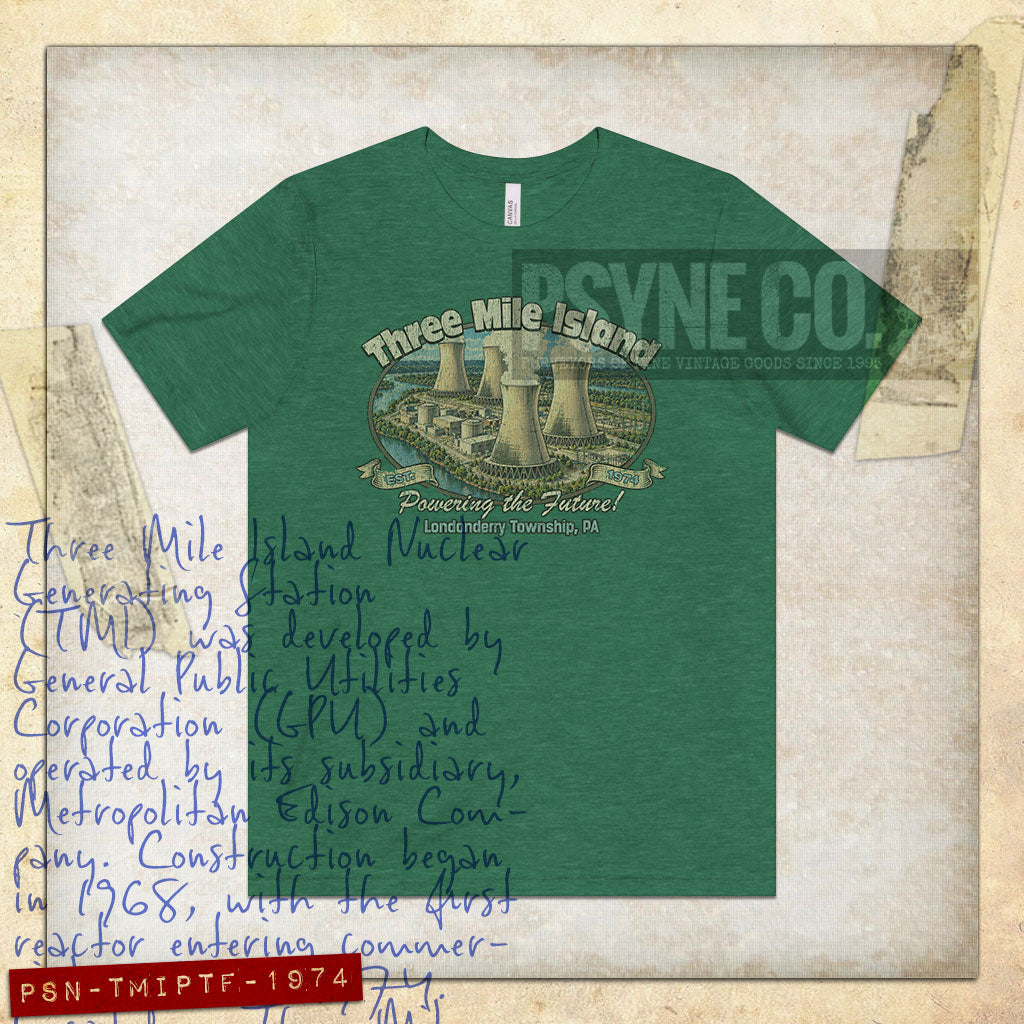
Located on an island in the Susquehanna River near Harrisburg, Pennsylvania, the Three Mile Island Nuclear Generating Station was once considered a symbol of America’s atomic future. Built during an era when nuclear energy promised to deliver virtually limitless electricity, the facility featured two pressurized-water nuclear reactors and four massive cooling towers that dominated the surrounding landscape. Construction began in 1968, with Unit 1 entering commercial service in September 1974 and Unit 2 following in December 1978. At the time, nuclear power was being promoted as a modern, efficient alternative to traditional fossil-fuel power plants, and Three Mile Island represented a significant investment in America’s growing nuclear energy industry.
Everything changed during the early morning hours of March 28, 1979, when a series of mechanical failures and human errors triggered the most serious accident in the history of commercial nuclear power in the United States.
 At approximately 4:00 a.m., a malfunction in Unit 2’s secondary cooling system caused the reactor to shut down automatically. A pressure relief valve opened as designed but became stuck in the open position, allowing critical cooling water to escape. Unfortunately, instruments in the control room incorrectly indicated that the valve had closed, leaving operators unaware of the developing emergency. Their attempts to correct the situation inadvertently made matters worse, and as cooling water levels dropped, temperatures inside the reactor climbed high enough to cause a partial meltdown of its uranium fuel core.
As news of the accident spread, confusion and fear gripped communities throughout central Pennsylvania. Conflicting reports about radiation releases and the possibility of a more serious meltdown fueled widespread anxiety. Pennsylvania Governor Dick Thornburgh advised pregnant women and families with preschool-age children living within five miles of the plant to evacuate, while many other residents voluntarily fled the area.
 President Jimmy Carter, himself trained in nuclear engineering during his naval career, visited the facility on April 1 to reassure the public. Although a limited amount of radioactive material escaped into the environment, subsequent investigations by federal agencies concluded that radiation exposure was too low to produce detectable health effects among plant workers or the surrounding population. Nevertheless, the accident left a lasting psychological impact on nearby communities and severely damaged public confidence in nuclear energy.
 The damaged Unit 2 reactor never returned to operation. Cleanup efforts began almost immediately and continued for more than a decade, involving the removal of contaminated water, radioactive debris, and damaged nuclear fuel. By 1993, the major cleanup operations had been completed, and the reactor was placed into long-term monitored storage. The disaster also brought sweeping changes to the American nuclear power industry, including stricter operating procedures, improved emergency preparedness, better control room instrumentation, and more comprehensive operator training. The accident became a defining moment in the national debate over nuclear energy, contributing to growing public opposition and increased scrutiny of proposed nuclear power projects.
Despite the notoriety surrounding the accident, Three Mile Island’s undamaged Unit 1 continued generating electricity for another four decades. The reactor operated until September 2019, when economic pressures and competition from other electricity sources prompted its closure. However, the story of Three Mile Island took another unexpected turn in September 2024, when Constellation Energy announced plans to restart Unit 1 under a 20-year electricity supply agreement with Microsoft. Renamed the Christopher M. Crane Clean Energy Center, the facility is being prepared to produce approximately 835 megawatts of electricity, with a targeted restart in 2027, subject to regulatory approval. Unit 2, the reactor damaged in 1979, remains permanently shut down and is undergoing decommissioning.
 Nearly half a century after the accident, Three Mile Island remains one of the most recognizable landmarks in American industrial history. Its enormous cooling towers and reactor buildings serve as reminders of an era when nuclear power represented both technological progress and potentially catastrophic risk. The 1979 accident fundamentally changed how nuclear facilities are operated, regulated, and perceived by the public. Today, as growing electricity demand and concerns about carbon emissions renew interest in nuclear energy, Three Mile Island has once again become part of America’s energy conversation—a facility whose complicated history continues to shape the future of nuclear power.