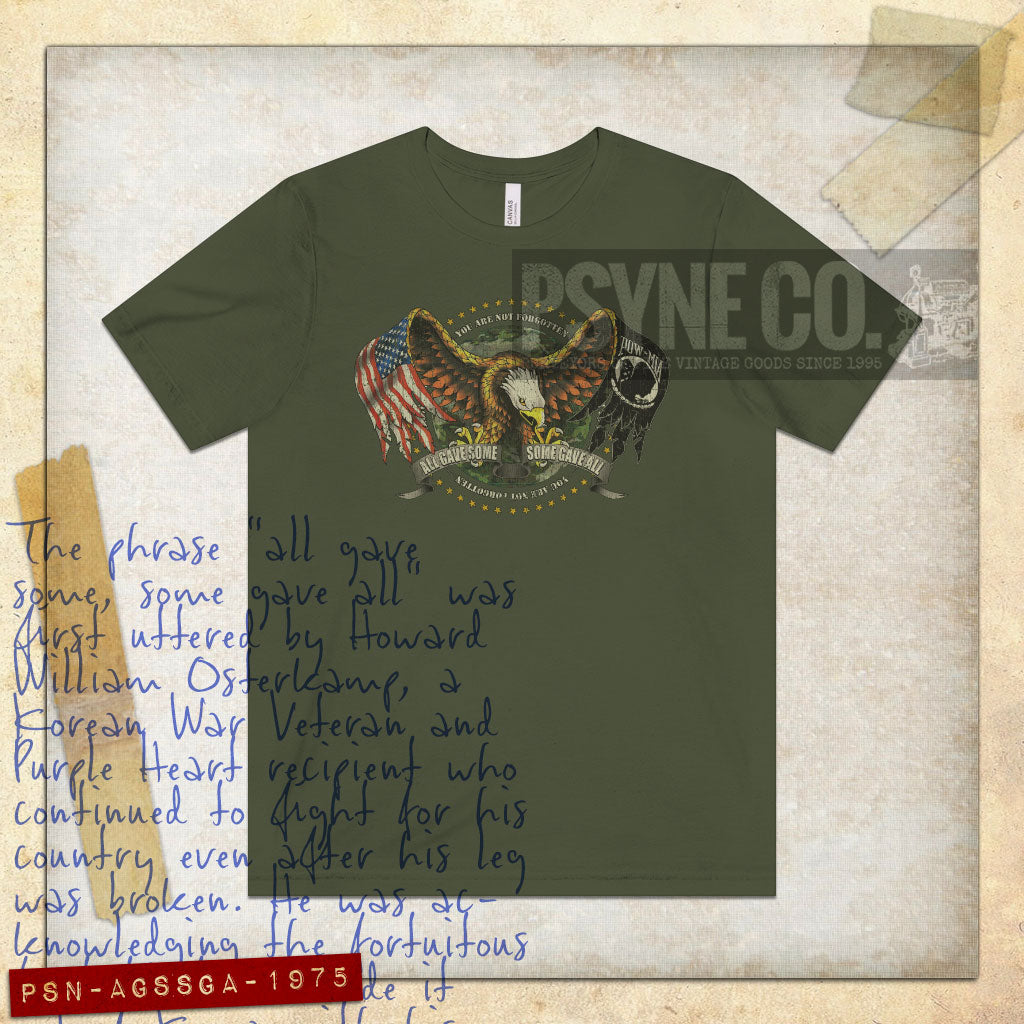
For many American servicemen returning home from Vietnam in the late 1960s and early 1970s, readjusting to civilian life was anything but easy. They had survived a brutal and deeply unpopular war, only to return to a country that often seemed unfamiliar and divided. Some struggled with the psychological scars of combat, while others simply found themselves unable to relate to the conventional lives they had left behind. For a portion of these veterans, the motorcycle offered something they desperately needed: freedom, independence, and a sense of belonging. The biker lifestyle provided an escape from society’s expectations, while motorcycle clubs offered the camaraderie and brotherhood they had experienced in the military.
Throughout the 1970s, Vietnam veterans became part of America’s growing custom motorcycle culture, building stripped-down Harley-Davidson choppers, wearing their hair long, and embracing the open road. For some, joining a motorcycle club meant finding a new family among men who understood what they had been through without having to explain it. Others simply wanted to ride, leaving the politics, rules, and pressures of everyday life behind. The rumble of a V-twin, a sleeping bag strapped to a sissy bar, and a few dollars for gas were sometimes all they needed. While biker culture had existed long before Vietnam, returning veterans helped shape its rebellious postwar identity, creating an enduring connection between military brotherhood, American motorcycles, and the freedom of the open road.