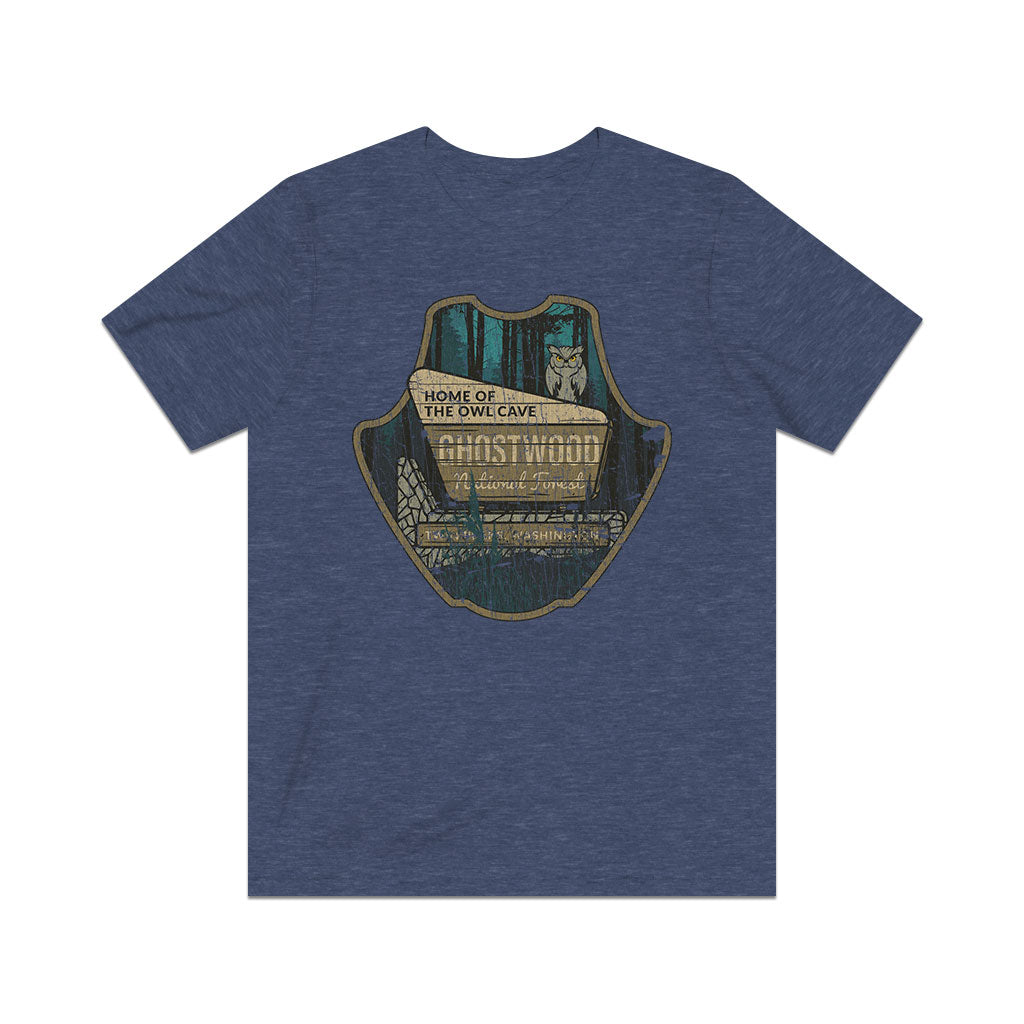
The work of American filmmaker and artist David Lynch has always invited a broad spectrum of interpretations and readings, yet leaving his viewers often alone in their striving for a conclusion. Lynch’s statement “I never interpret my art. I let the audience do it” (qtd. in Sheen and Davison 3) seems like an invitation to do just that ‒ finding one’s own interpretative key in a pool of seemingly infinite possible explanations. The series Twin Peaks, which was first broadcast over two seasons in 1990 and 1991 before its revival in 2017, is often subject to scrutiny by its audience and scholars as well. Due to its abstractness and unconventionality – both in plot and cinematography – many of its viewers continue to elaborate on different aspects. Two of these aspects are the tropes of Otherness and wilderness that the creators evidently made use of; however, they have received very little scholarly attention so far. Therefore, this essay explores the world of Twin Peaks by focusing on the two tropes, which I argue play a central role in the TV show… read more >