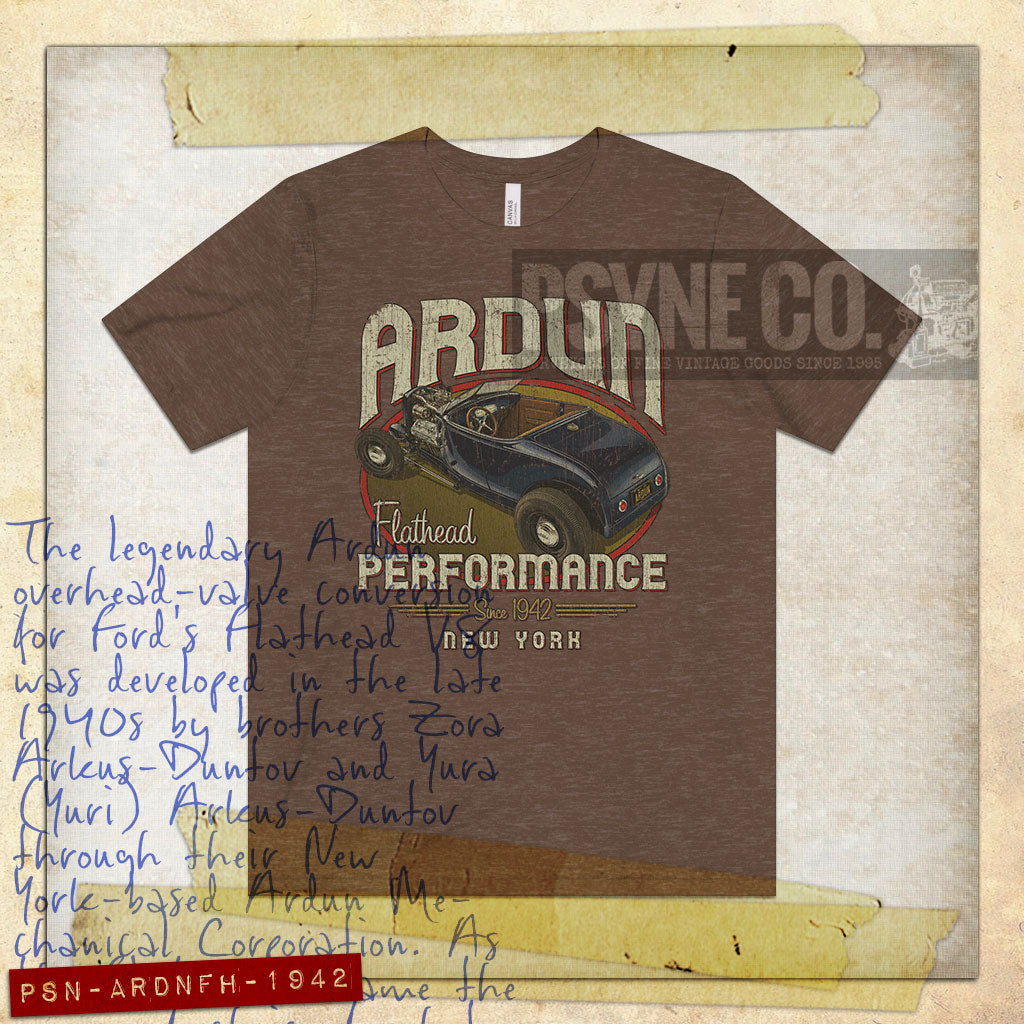
Few engines occupy the same legendary status as Ford’s Flathead V8. Introduced in 1932, it was the world’s first mass-produced V8 engine cast in a single block, bringing eight-cylinder performance within reach of everyday Americans. Affordable, durable, and endlessly customizable, the Flathead became the foundation of hot rodding and helped shape American performance culture for generations.
Before the Flathead, V8 engines were typically reserved for expensive luxury automobiles. Henry Ford wanted to change that. His engineering team developed a compact 221-cubic-inch side-valve V8 that could be manufactured efficiently and sold in affordable Ford passenger cars and trucks. The result was a revolution. Suddenly, anyone with a modest budget could own a V8-powered car.
The engine’s simple design made it especially attractive to young enthusiasts. During the late 1930s and after World War II, countless teenagers and returning servicemen bought inexpensive used Fords from junkyards and stripped them down for speed. By removing excess weight, improving the ignition, installing multiple carburetors, and fitting high-compression cylinder heads, they discovered the Flathead could deliver surprising performance.
The aftermarket quickly responded. Companies like Edelbrock, Offenhauser, Navarro, Iskenderian, Weiand, and Sharp produced aluminum heads, intake manifolds, camshafts, and other performance parts that unlocked even more horsepower. Twin-carb and triple-carb setups became common sights at dry lakes, drag strips, and Saturday night cruises, while polished aluminum speed equipment transformed the engine into a work of mechanical art.
One of the Flathead’s most recognizable features is its exhaust note. Thanks to its firing order and exhaust port layout, a properly tuned Flathead produces a deep, mellow rumble unlike any other American V8. Fitted with traditional “lake pipes” or Smithy mufflers, it delivers a sound that instantly evokes the golden age of hot rods.
The Flathead wasn’t perfect. Its side-valve design restricted airflow, limiting its ultimate horsepower potential compared to the overhead-valve V8s that followed. Cooling issues around the center cylinders also challenged racers pushing the engine to its limits. When Chevrolet’s small-block V8 debuted in 1955, followed by Ford’s own overhead-valve Y-block and later Windsor engines, many racers moved on to more powerful platforms, and yet the Flathead never disappeared…
Today’s hot rodders love the Flathead for reasons that go far beyond horsepower. It’s an icon of traditional hot rodding—a symbol of the era when ingenuity mattered more than dyno numbers. Builders appreciate its clean, uncluttered appearance, especially when topped with finned aluminum heads, vintage carburetors, polished intake manifolds, and cloth-covered ignition wires. Open the hood of a Flathead-powered ’32 Ford roadster or Model A coupe, and you’re looking at a piece of automotive history.
The engine also carries a cultural legacy unlike almost any other powerplant. It powered the earliest dry lakes racers, fueled the birth of organized drag racing, appeared in countless hot rod magazines, and became synonymous with California’s Kustom Kulture movement. Artists like Ed “Big Daddy” Roth and Von Dutch celebrated Flathead-powered machines, while generations of enthusiasts learned the basics of engine building by wrenching on one.
Although modern V8s easily outperform it, the Flathead remains beloved because it represents the roots of hot rodding itself. It recalls a time when speed came from creativity, hard work, and whatever parts could be found in a junkyard or mail-order catalog. More than 90 years after its debut, the Ford Flathead V8 continues to inspire builders who value tradition, craftsmanship, and the unmistakable spirit of early American performance.