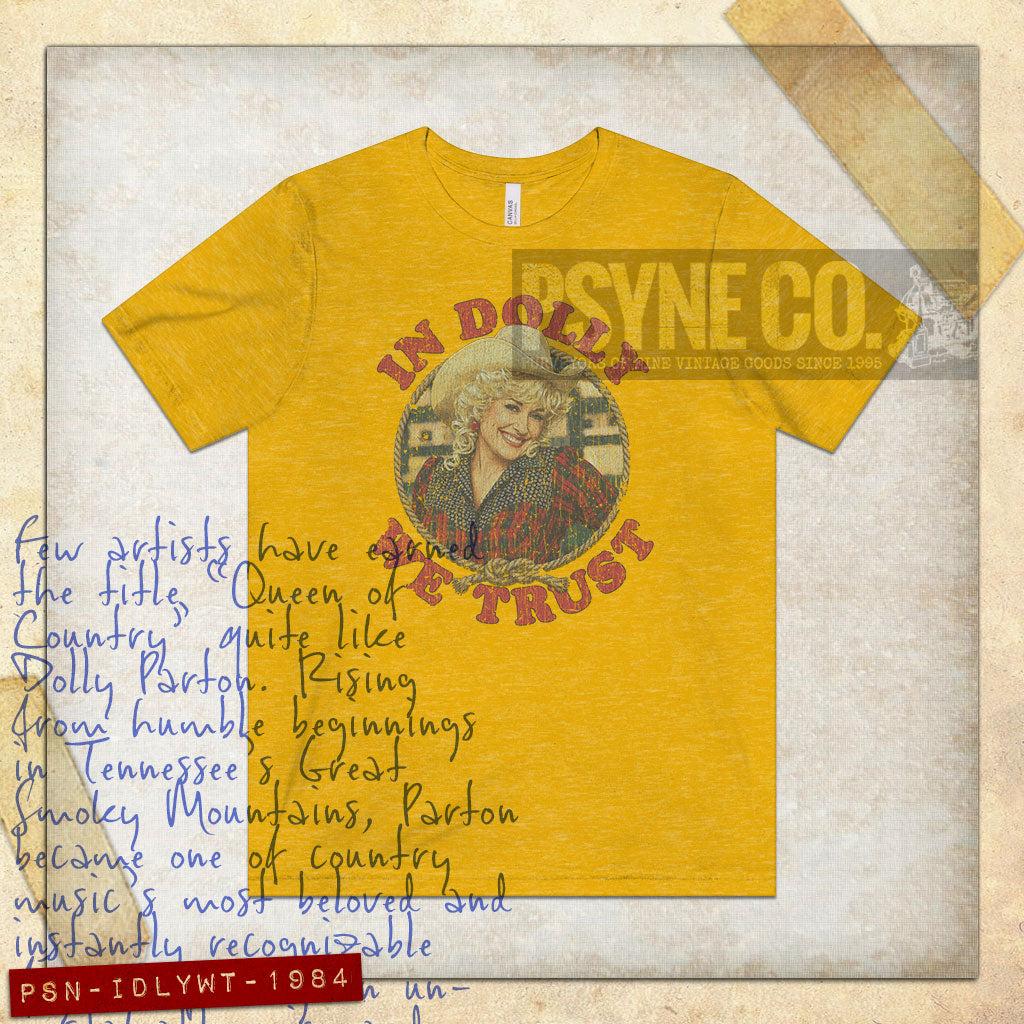
Dolly Parton, the Tennessee mountain girl who transformed herself into the Queen of Country and one of the most beloved entertainers in American history, died today at the age of 80. Her death in Nashville brought to a close an extraordinary career that stretched across more than six decades and encompassed country and pop music, movies, television, business, philanthropy, and children’s literacy. Her publicist confirmed that Parton died peacefully; some early reports have differed on the precise cause, so those details should be treated cautiously until fully clarified.
Born Dolly Rebecca Parton on January 19, 1946, in Sevier County, Tennessee, she was one of 12 children raised in a poor family in the foothills of the Great Smoky Mountains. Music surrounded her from childhood, particularly through church and her musical relatives, and she began writing songs while still a little girl. Her upbringing would remain central to both her identity and her songwriting, inspiring deeply personal material about poverty, family, faith, heartbreak, and Appalachian life.

Parton left for Nashville immediately after graduating from high school in 1964, determined to become a professional songwriter and performer. Her breakthrough came through appearances with Porter Wagoner beginning in 1967, introducing her to a national country audience. Their partnership produced numerous recordings, but Parton’s ambitions eventually carried her toward a solo career. Her departure from Wagoner’s show inspired one of her greatest compositions, “I Will Always Love You,” which became a country hit for Parton and, nearly two decades later, an enormous international success for Whitney Houston.
By the 1970s, Parton was firmly established as one of Nashville’s greatest singer-songwriters. Songs including “Jolene,” “Coat of Many Colors,” “My Tennessee Mountain Home,” and “I Will Always Love You” demonstrated her unusual ability to combine simple language with vivid characters and powerful emotion. She ultimately wrote thousands of songs and sold more than 100 million records worldwide.
Parton also refused to remain confined to country music. During the late 1970s and early 1980s, she successfully crossed into mainstream pop culture, culminating in her starring role alongside Jane Fonda and Lily Tomlin in the 1980 comedy 9 to 5. Parton wrote and performed the film’s title song, which became one of her signature recordings. Other movie roles followed, including The Best Little Whorehouse in Texas, Rhinestone, and Steel Magnolias, establishing her as a recognizable Hollywood personality as well as a recording star.
Just as important was the image she created. Towering blonde wigs, rhinestones, high heels, elaborate makeup, and deliberately exaggerated country glamour became unmistakably Dolly. She frequently joked about her appearance and understood the joke better than anyone making it. What could easily have become a novelty persona instead gave her tremendous control over her public identity. Behind the theatrical appearance was an astute songwriter and businesswoman who maintained ownership of valuable publishing rights and carefully expanded the Dolly Parton name into entertainment, tourism, and other ventures.
Her strongest business connection remained with her native East Tennessee. In 1986, the amusement park that became Dollywood opened under her name in Pigeon Forge. Rather than simply licensing her celebrity, Parton helped turn the park and its related properties into major tourist attractions that created jobs and reinforced her lifelong connection to the Smoky Mountains.
Parton’s generosity eventually became nearly as famous as her music. In 1995, she established Dolly Parton’s Imagination Library, inspired in part by her father’s inability to read and write. The program began by mailing free books to young children in her home county and eventually expanded internationally, distributing hundreds of millions of books. Her charitable work also extended to education, disaster relief, and medical research, including a widely publicized $1 million contribution to Vanderbilt University Medical Center research that helped support the development of the Moderna COVID-19 vaccine.
 Away from the stage, Parton maintained an unusually private marriage. She married Carl Dean in 1966, and although he largely avoided public appearances, the couple remained together for nearly 60 years. Dean died in March 2025. Parton subsequently spoke about the depth of her grief and the emotional and physical toll of losing the man who had shared virtually her entire adult life.
Her health increasingly became a concern during her final years. Parton postponed appearances and acknowledged that she was undergoing medical procedures, though she characteristically tried to reassure fans and continued working on new projects. Only days before her death, she spoke publicly about having neglected some health concerns while coping with Dean’s illness and death.
When news of her death arrived on August 25, tributes came from across music, entertainment, politics, and the charitable organizations she had supported. The breadth of the reaction reflected something unusual about Parton’s career: she had long since ceased belonging exclusively to country music. She was simultaneously an Appalachian songwriter, pop star, movie actress, entrepreneur, philanthropist, camp icon, literacy advocate, and international celebrity.
Yet songwriting remained at the center of everything. Beneath the rhinestones and jokes was a writer capable of turning intensely personal experiences into songs understood by millions of strangers. Parton could write convincingly about poverty without romanticizing it, heartbreak without drowning in sentimentality, and ambition without apologizing for it. Her songs survived changing fashions because their stories remained human.
Dolly Parton’s journey from a one-room Tennessee cabin to international superstardom became the sort of American story that seemed almost too perfectly written to be true. She built an enormous public persona without allowing it to overwhelm the songwriter underneath, accumulated wealth without forgetting the poverty from which she came, and turned celebrity into an instrument for helping people she would never meet.
She was called the Queen of Country, but by the end of her life even that title seemed too small. Dolly Parton had become something rarer: an entertainer almost universally recognized simply by her first name, whose music, humor, generosity, and unmistakable mountain-born personality made “Dolly” an enduring piece of American culture.