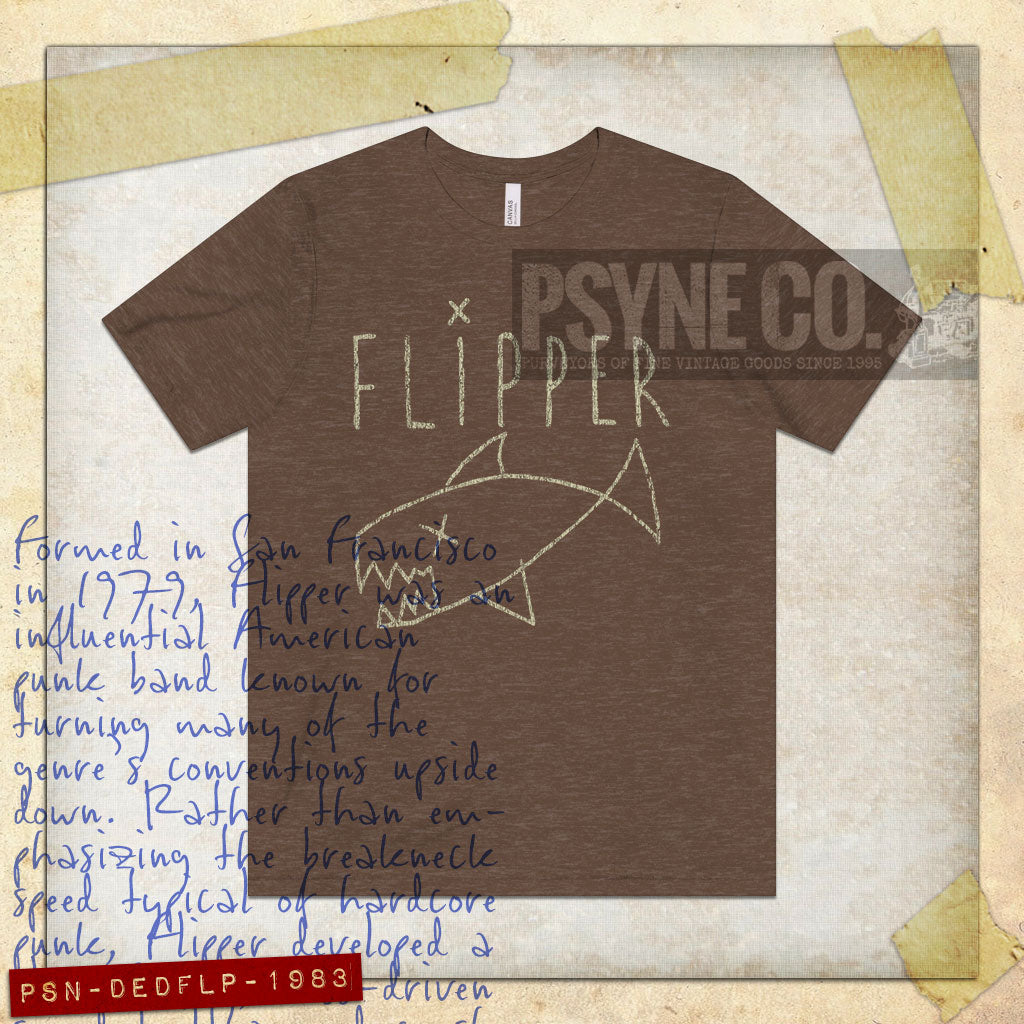
Few musicians experienced the transformation from underground obscurity to international superstardom as quickly—or as uneasily—as Kurt Cobain. As the singer, guitarist, and principal songwriter of Nirvana, Cobain became the face of a musical revolution almost by accident. Within only a few years, he went from playing small clubs around the Pacific Northwest to becoming one of the most recognizable musicians in the world. It was precisely the kind of success most struggling bands dreamed about, yet Cobain soon discovered that he was deeply uncomfortable with much of what came with it.
 Born in Aberdeen, Washington, in 1967, Cobain grew up far removed from the glamorous world of the music industry. Punk rock provided an escape from the conservative logging-town culture surrounding him, and bands such as the Melvins helped introduce him to the underground scene developing in Washington. Cobain eventually formed Nirvana with bassist Krist Novoselic, and by 1988 the fledgling group was receiving its first Seattle radio airplay. Their debut album, Bleach, appeared on the independent Sub Pop label in 1989 and established Nirvana as part of the growing Pacific Northwest underground.
Nirvana was ambitious, however, and Cobain was hardly indifferent to success. Although he later acquired a reputation as someone who never wanted fame at all, the reality was more complicated. He wanted his songs to reach people, admired enormously successful groups such as the Beatles, and possessed an instinctive gift for combining punk aggression with memorable pop melodies. What he apparently did not anticipate was the scale and speed of what happened next.
After signing with DGC Records, Nirvana recorded its second album with producer Butch Vig. Nevermind was released on September 24, 1991, with “Smells Like Teen Spirit” as its explosive calling card. Its combination of Cobain’s distorted guitar, Dave Grohl’s enormous drums, Novoselic’s bass, and a chorus that sounded designed to be screamed by thousands of disaffected teenagers was perfectly timed. MTV embraced the video, radio stations picked up the song, and Nevermind became a phenomenon. It helped push grunge and alternative rock into the mainstream and ultimately sold tens of millions of copies worldwide.
The change was almost instantaneous. Nirvana had recently been traveling in a van and playing clubs; suddenly Cobain was appearing on magazine covers and being discussed as the spokesman for an entire generation. The band’s clothes, attitudes, influences, and Seattle origins were dissected and repackaged for mass consumption. Major record labels descended on the Northwest looking for the next Nirvana, while “grunge” became a marketing category encompassing everything from music to fashion.
For Cobain, there was something absurd about watching an underground culture partly defined by its rejection of mainstream rock excess become the mainstream itself.
His relationship with fame was therefore filled with contradictions. Cobain enjoyed having an audience and was proud when his music succeeded, but celebrity was another matter. He resented being reduced to a marketable character—the tortured, angry spokesman of Generation X—and disliked the invasion of privacy that accompanied his success. In a revealing 1994 interview, he described Nevermind’s breakthrough as “so fast and explosive” and admitted that he simply hadn’t known how to deal with it.
Cobain was particularly uncomfortable with the idea of becoming the sort of conventional rock star that punk had taught him to distrust. Nirvana had emerged from a scene suspicious of corporate rock, macho posturing, and celebrity worship. Now Cobain found himself occupying exactly the position traditionally reserved for the rock gods he had spent his youth rebelling against.
There was another frustration: millions of people now believed they understood him.
Journalists interpreted his lyrics, analyzed his marriage to Courtney Love, reported on his drug use, scrutinized his health, and transformed his personality into a public narrative. Cobain became frustrated that he was increasingly regarded as an icon rather than a songwriter. He compared extreme celebrity to a kind of imprisonment and lamented how difficult ordinary experiences—going to a club, meeting strangers, simply moving anonymously through the world—had become.
Even his audience could trouble him. Nirvana’s sudden popularity meant that people Cobain believed would once have disliked or bullied people like him were now attending his concerts. The irony was difficult to miss. Songs born from alienation had become arena anthems.
Yet the familiar image of Cobain simply “hating fame” leaves out an important part of the story. By late 1993, he acknowledged that he had begun making peace with Nirvana’s enormous audience. He told Rolling Stone that he had become less judgmental toward the unfamiliar faces attending the band’s concerts and insisted that he was happier than his miserable public persona suggested. What he continued to distrust was the machinery surrounding celebrity and the loss of control over how others perceived him.
 Nirvana’s 1993 album In Utero reflected many of those tensions. Produced by Steve Albini, it was abrasive, raw, and frequently uncomfortable, seemingly worlds removed from the polished expectations that followed Nevermind. Yet it was hardly an attempt at commercial self-destruction. Cobain remained intensely concerned with songwriting and wanted Nirvana to evolve rather than endlessly manufacture variations of “Smells Like Teen Spirit.”
That desire was beautifully demonstrated during Nirvana’s MTV Unplugged performance in November 1993. Rather than treating the program as a parade of hits, the band constructed an eerie, intimate set containing deep cuts and covers of songs by artists Cobain admired. The performance stripped away much of the noise surrounding Nirvana and placed the emphasis back where Cobain always wanted it: on the songs themselves.
By early 1994, however, the pressures surrounding Cobain were inseparable from much more serious personal problems, including heroin addiction and longstanding physical and emotional struggles. It would be overly simplistic to attribute his death solely to fame. Celebrity was one source of pressure among many, and reducing his life to the cliché of a rock star destroyed by success risks creating exactly the kind of mythology that frustrated him while he was alive.
Cobain died in Seattle in April 1994 at the age of 27. Nirvana’s spectacular period of mainstream fame had lasted only about two and a half years.
The irony is that death made Cobain an even larger icon. His face appeared on posters and T-shirts; Nirvana became a permanent fixture of rock radio; and each new generation discovered Nevermind, In Utero, and MTV Unplugged in New York. The reluctant celebrity became one of rock music’s most enduring symbols.
But Cobain’s legacy is more interesting when separated from the mythology. He was not simply a man who became famous and hated it. He was an ambitious musician who wanted his songs to matter, achieved success beyond anything he had reasonably anticipated, and then struggled with the difference between being appreciated as an artist and being consumed as a celebrity. He wanted people to hear Nirvana. What he never seemed entirely comfortable with was the realization that, once millions of people were listening, Kurt Cobain himself had become part of the product.