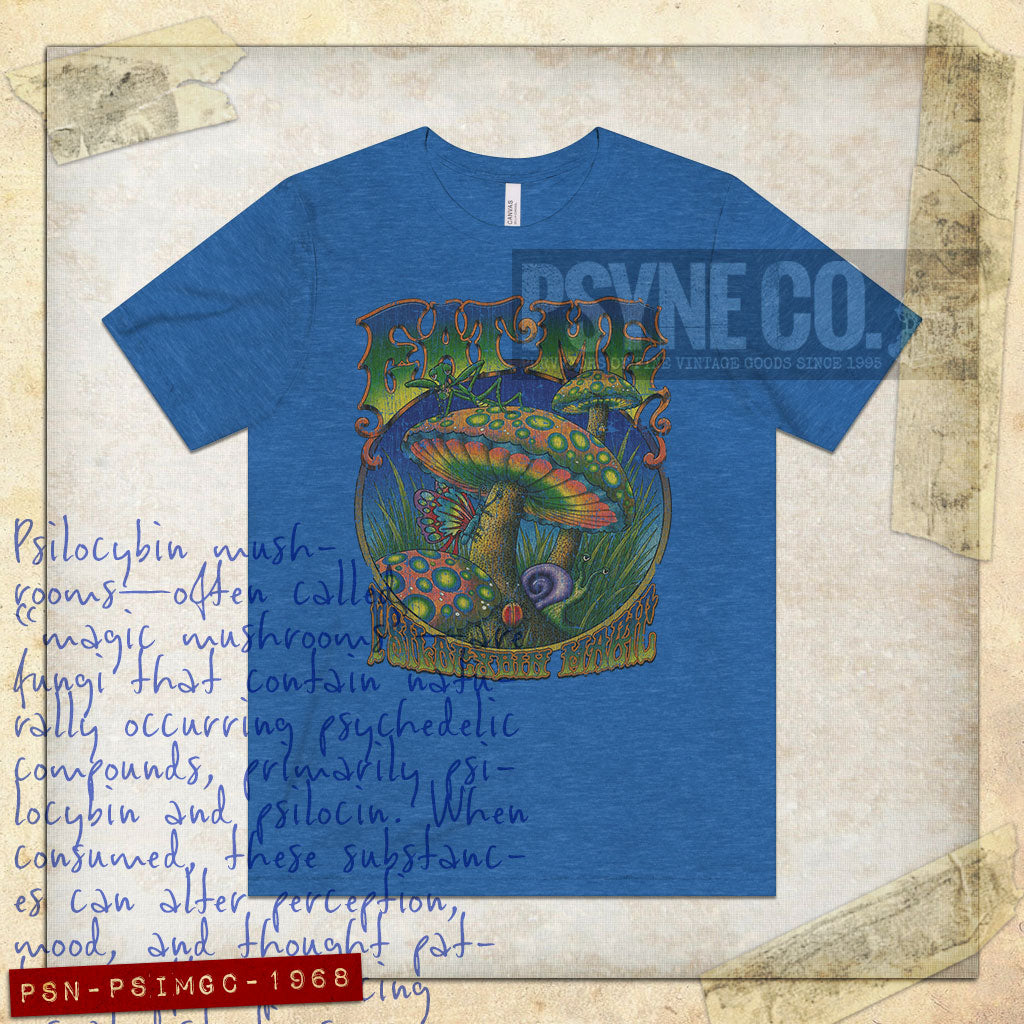
Magic mushrooms, commonly called “shrooms,” are naturally occurring fungi containing psilocybin, a psychedelic compound known for producing powerful changes in perception, mood, and consciousness. Used for centuries in spiritual and ceremonial practices, psilocybin mushrooms became increasingly popular as recreational drugs during the counterculture movement of the 1960s and ’70s. Their effects can include vivid colors, shifting patterns, visual distortions, heightened emotions, uncontrollable laughter, and an altered sense of time and reality. Some users describe feelings of euphoria, profound introspection, and an unusually strong connection to nature, music, or the people around them. A typical psychedelic experience lasts four to six hours, although the intensity and duration can vary considerably. Of course, not every trip is a good one, as psilocybin can also produce anxiety, paranoia, confusion, nausea, and frightening hallucinations. Whether experienced as a mind-expanding journey or a thoroughly unpleasant afternoon, magic mushrooms have earned a lasting place in psychedelic culture.