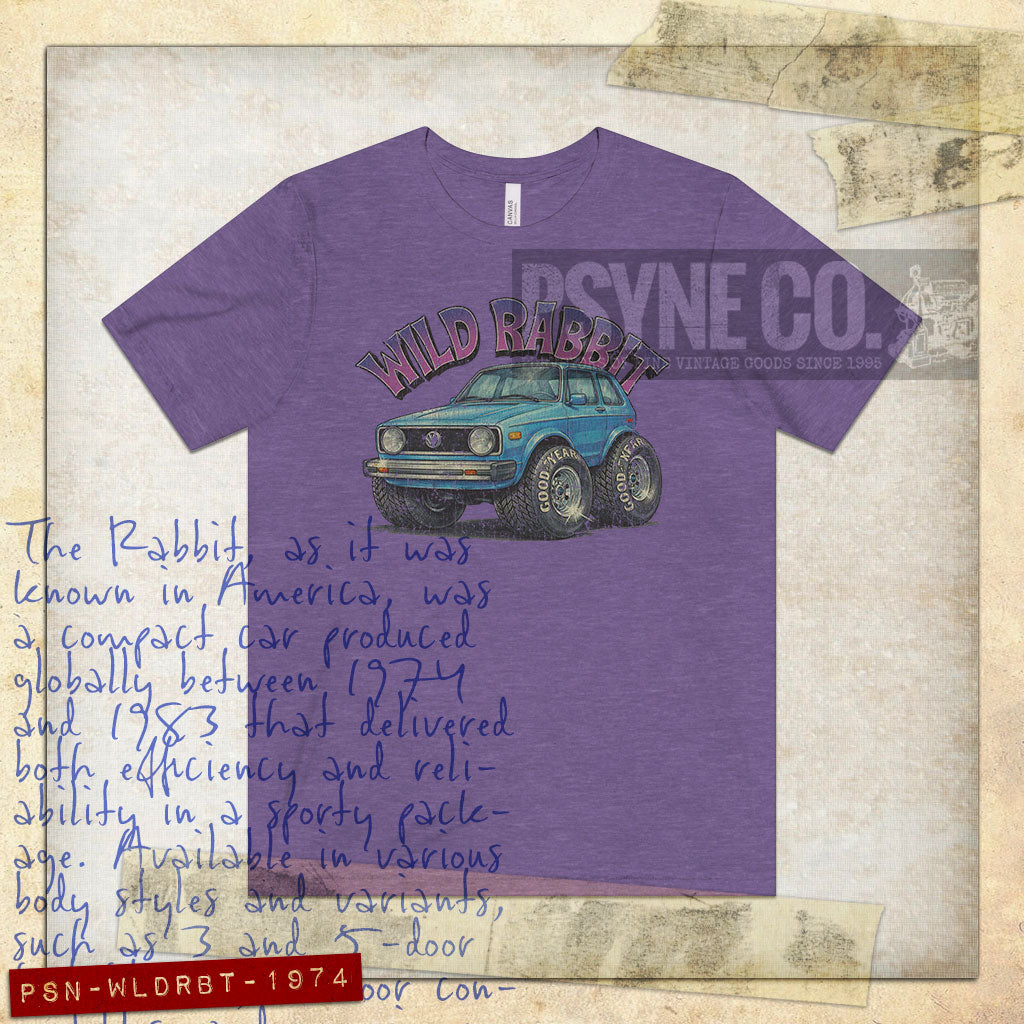
Introduced in late 1979 for the 1980 model year, the Volkswagen Rabbit Pickup was one of the more unusual little trucks to hit American roads during the early 1980s. Based on the first-generation VW Rabbit hatchback, the compact pickup combined the practicality of a small truck with the fuel economy and handling of a European economy car. Designed primarily for the American market, the Rabbit Pickup was manufactured at Volkswagen’s Westmoreland Assembly Plant near New Stanton, Pennsylvania, making it one of the few Volkswagen trucks ever built in the United States. Unlike traditional pickups, which typically featured rear-wheel drive and body-on-frame construction, the Rabbit Pickup used a front-wheel-drive, unibody design with an extended wheelbase and a surprisingly useful cargo bed. Volkswagen Newsroom

Available with gasoline or diesel four-cylinder engines, the Rabbit Pickup wasn’t exactly a powerhouse, but what it lacked in muscle it made up for in economy. The diesel version, producing around 48 to 52 horsepower depending on the year, was particularly popular among drivers looking to save money at the pump during an era of fluctuating fuel prices. With highway fuel economy ratings exceeding 50 miles per gallon, the little VW offered efficiency that conventional American pickups couldn’t come close to matching. Its modest dimensions, lightweight construction, and nimble handling made it an appealing choice for small businesses, delivery drivers, and anyone who needed a truck without the expense of owning a full-size hauler. GovInfo
Despite a promising start, the Rabbit Pickup’s American career was relatively short-lived, with production ending in 1983 after roughly 76,000 examples had been built. The basic design lived on overseas under the Volkswagen Caddy name, becoming a familiar sight in Europe and other markets for years afterward. Today, the original Rabbit Pickup has developed something of a cult following among Volkswagen enthusiasts, particularly those drawn to its quirky proportions, old-school simplicity, and endless customization possibilities. From lowered street trucks and diesel-powered daily drivers to restored factory originals, the little Rabbit has become a nostalgic reminder of a time when a pickup didn’t need 400 horsepower, four-wheel drive, or a six-foot-tall hood to get the job done.